
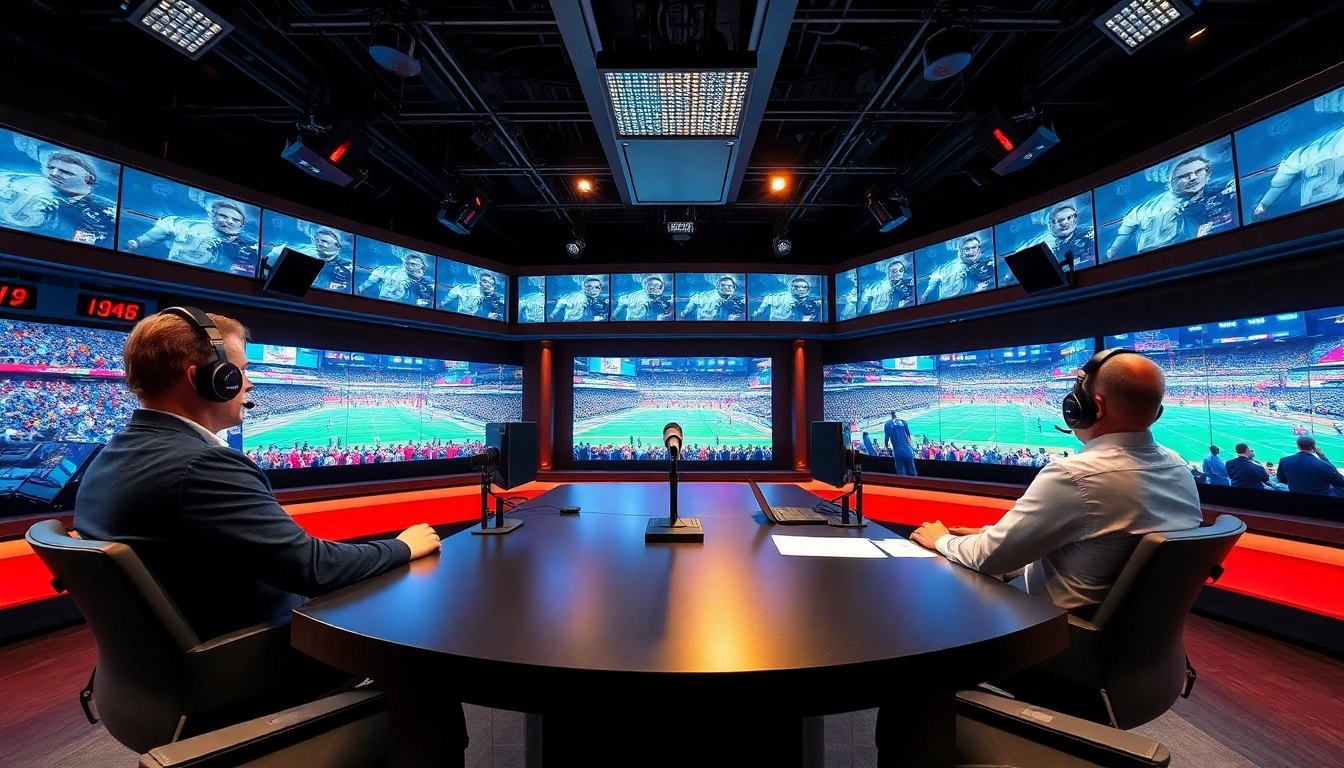
Understanding the Landscape of Sports Broadcasting
Sports broadcasting has transformed into a dynamic discipline, merging the allure of sports with cutting-edge technology and innovative storytelling. The rapid evolution of this field underscores its significance in the global entertainment landscape. Understanding sports broadcasting involves appreciating its rich history, the key players shaping its future, and the global trends that influence its development. For insights into this engaging field, Sports Broadcasting serves as a pivotal reference.
History and Evolution of Sports Broadcasting
The origins of sports broadcasting can be traced back to the early 20th century when radio began transmitting live sports events, revolutionizing how audiences engaged with their favorite sports. By the 1930s, NBC aired the first live sports broadcast, which marked a milestone in media history. As television gained popularity in the 1950s and 1960s, sports broadcasting exploded, reaching vast audiences and becoming engrained in popular culture.
Over time, technological advancements have continuously reshaped sports broadcasting. The introduction of color television, satellite communications, and digital broadcasting has enhanced viewer experiences, allowing for more immersive and engaging content. The rise of cable networks and dedicated sports channels in the late 20th century further diversified programming and solidified the industry's potential.
Major Players in the Sports Broadcasting Industry
The sports broadcasting landscape is populated by numerous influential entities. Networks such as ESPN, NBC Sports, and CBS Sports dominate traditional platforms, while streaming giants like Amazon Prime and YouTube are expanding their influence in the sports arena. These players compete fiercely for programming rights, content creation, and audience engagement strategies, making the industry highly competitive.
Additionally, partnerships with leagues, teams, and athletes have become crucial. For example, exclusive broadcasting rights to major events like the Olympics, the FIFA World Cup, and NFL games represent significant revenue streams for broadcasters. This interplay between sports organizations and broadcasters highlights the industry's complex ecosystem.
Global Trends Shaping Sports Broadcasting
The world of sports broadcasting is rapidly evolving in response to changing viewer preferences and technological advancements. One significant trend is the shift towards digital streaming platforms, which offer more flexibility and accessibility for viewers. This transition challenges traditional broadcasting models by prioritizing on-demand content and personalized viewer experiences.
Another global trend is the focus on interactive and engaging content. Innovations such as virtual reality (VR) and augmented reality (AR) are enhancing the viewer experience by providing immersive environments that immerse fans into the action. Social media integration has also become a key component, enabling real-time interaction during broadcasts and fostering a community among fans.
Key Technologies in Sports Broadcasting
Importance of Streaming Services in Sports Broadcasting
Streaming services are redefining how sports content is consumed. With consumers gravitating towards subscription-based models, streaming platforms offer sports fans the ability to view content on multiple devices without traditional cable constraints. The flexibility to watch games anytime, anywhere has revolutionized audience engagement.
Additionally, streaming services often come with unique personalization features, enhancing user experiences. Factors like creating customized playlists of favorite teams, watching multiple games, or receiving tailored content recommendations are crucial. As streaming gains prominence, traditional broadcasters must adapt to remain relevant.
Impact of 5G Technology on Sports Broadcasting
The implementation of 5G technology is poised to revolutionize sports broadcasting by providing faster and more reliable internet connectivity. This enhanced speed enables higher-quality video streaming, supporting 4K and even 8K broadcasts. It also facilitates real-time data analytics, which can amplify storytelling during live events.
Moreover, the low latency of 5G allows for new interactive possibilities, such as on-the-spot betting and instant feedback during broadcasts. This interactivity can significantly enhance viewer engagement and keep audiences captivated throughout the event.
Future Innovations in Sports Broadcasting Technology
The future of sports broadcasting lies in continuous innovation. Emerging technologies such as artificial intelligence (AI) and machine learning are being integrated into content creation and viewer analytics. These tools help broadcasters create personalized content and automate various processes, improving efficiency and creativity.
Additionally, advancements in graphics techniques allow for the creation of more sophisticated visual elements, enhancing how statistics and information are presented during broadcasts. Sports broadcasters increasingly leverage data analytics to create stories that resonate with viewers, offering insights that deepen the viewer experience.
Strategies for Effective Sports Broadcasting
Creating Engaging Content for Sports Broadcasting
Effective sports broadcasting starts with compelling content. Storytelling is crucial; a well-crafted narrative that highlights the personalities and drama within the game can engage audiences far beyond the action on the field. Broadcasters should focus on delivering diverse content that dives into the history of teams, player backgrounds, and analysis of pivotal plays.
Visual storytelling also plays a vital role. High-quality production values, expert commentary, and innovative presentation styles can elevate the viewing experience. Engaging pre- and post-game shows can keep fans interested in the broader context of the sports environment, maintaining their attention throughout the season.
Marketing Tactics to Boost Your Sports Broadcasting Reach
Marketing strategies are essential for maximizing reach in sports broadcasting. Leveraging social media platforms to promote upcoming games, behind-the-scenes content, or player features can draw in audiences and create buzz. Collaborating with influencers and athletes helps extend the reach and connect with younger demographics.
Moreover, effective email marketing campaigns can convert casual viewers into loyal fans by delivering tailored content based on viewer preferences, driving engagement across various platforms. By continually analyzing viewer behavior and preferences, broadcasters can refine their marketing tactics to suit their audience better.
Building a Strong Brand in Sports Broadcasting
Brand identity is vital in sports broadcasting. A distinctive voice and clear value proposition can set a broadcaster apart in a crowded market. Emphasizing the unique aspects of coverage, such as exclusive interviews or in-depth analyses, builds a brand that resonates with viewers.
Consistent messaging across all platforms also strengthens brand recognition. Using logos, taglines, and design elements that reflect the broadcaster's values and focus will help cultivate a strong brand presence across various media outlets.
Best Practices for Audience Engagement
Utilizing Social Media for Sports Broadcasting
Social media platforms provide a direct channel to engage with audiences. Broadcasters should leverage these tools to share live updates, highlight reels, and interact with fans in real time. Engaging and responding to viewer comments builds a sense of community and makes fans feel valued.
User-generated content is another powerful engagement tactic. Encouraging fans to share their experiences, photos, or videos at games enhances audience loyalty while creating organic marketing opportunities.
Interactive Technologies in Sports Broadcasting
Interactive technologies such as live polling and viewer Q&As can create a dynamic viewing experience. These technologies allow fans to participate actively in broadcasts, giving them a sense of ownership in the content consumed. With the ability to influence commentary or discussions, viewer investment deepens, fostering a loyal fan base.
Incorporating gamification elements such as trivia contests or interactive quizzes can also enhance engagement and offer rewards, turning passive viewers into active participants in the sports experience.
Feedback Mechanisms: Listening to the Audience
Understanding audience preferences is critical for effective broadcasting. Implementing feedback mechanisms through surveys, social media polls, or direct audience outreach helps broadcasters gauge viewer satisfaction and identify areas for improvement. Listening to the audience not only enhances content but also builds a community around the brand.
Translating feedback into actionable improvements is essential. Whether altering content types, refining broadcasts, or addressing viewer concerns, demonstrating responsiveness to audience needs can significantly enhance loyalty and engagement.
Measuring Success in Sports Broadcasting
Key Performance Indicators in Sports Broadcasting
To evaluate the effectiveness of sports broadcasting, establishing clear Key Performance Indicators (KPIs) is vital. Viewership statistics, including live audience numbers, and delayed viewership figures provide insight into content performance. Additionally, metrics like social media engagement rates and fan interaction levels are critical for assessing the success of marketing strategies.
Retention rates, analyzing how many viewers return for subsequent broadcasts, offer further context regarding content allure and audience loyalty. Combining these KPIs provides a comprehensive view of success and informs future strategies.
Analytics Tools for Evaluating Broadcast Performance
Analytical tools play an essential role in evaluating pain points and successes in sports broadcasting. Platforms equipped with audience insights enable broadcasters to assess viewer engagement patterns, demographics, and preferences in extensive detail. Utilizing such tools can lead to smarter, data-driven content strategies.
Advanced analytics can also assist in identifying peak viewing times and audience behaviors during broadcasts, providing invaluable information for scheduling and promoting future content.
Adapting to Audience Analytics for Better Broadcasting
Data derived from audience analytics should drive broadcasting decisions. Understanding viewer habits allows for timely adjustments in content production, scheduling, and marketing strategies. Inviting focus groups or engaging directly with audiences to discuss their viewing preferences facilitates a tailored approach to broadcasting.
Success in sports broadcasting hinges on adaptability. Continuously refining and adjusting based on audience feedback and data analysis ensures that content remains relevant, engaging, and appealing to viewers.
FAQs
What is sports broadcasting?
Sports broadcasting refers to the transmission of live or recorded sporting events and related content through television, radio, or digital platforms.
How has technology changed sports broadcasting?
Technology has revolutionized sports broadcasting by enhancing viewer experiences through higher-quality streaming, real-time data analytics, and interactive features.
What role do streaming services play in sports broadcasting?
Streaming services offer flexible viewing options and personalized content, helping to transition audiences from traditional cable systems to on-demand entertainment.
How can I engage audiences in sports broadcasting?
Engagement can be boosted via social media, interactive technologies, and feedback mechanisms. Involving audiences directly increases investment in content.
What metrics are important for measuring success in sports broadcasting?
Key metrics include viewership statistics, audience retention, engagement on social media, and feedback from viewers to assess satisfaction and performance.